
In today's fast-paced world, achieving peak wellness often feels like an uphill battle. From stress and fatigue to digestive woes and immune challenges, modern life can take a toll. Fortunately, nature offers powerful allies in the form of herbal supplements. These plant-based remedies have been used for centuries across cultures, and modern science is catching …
Unlock Peak Wellness: The Top 10 Herbal Supplements Backed by Science
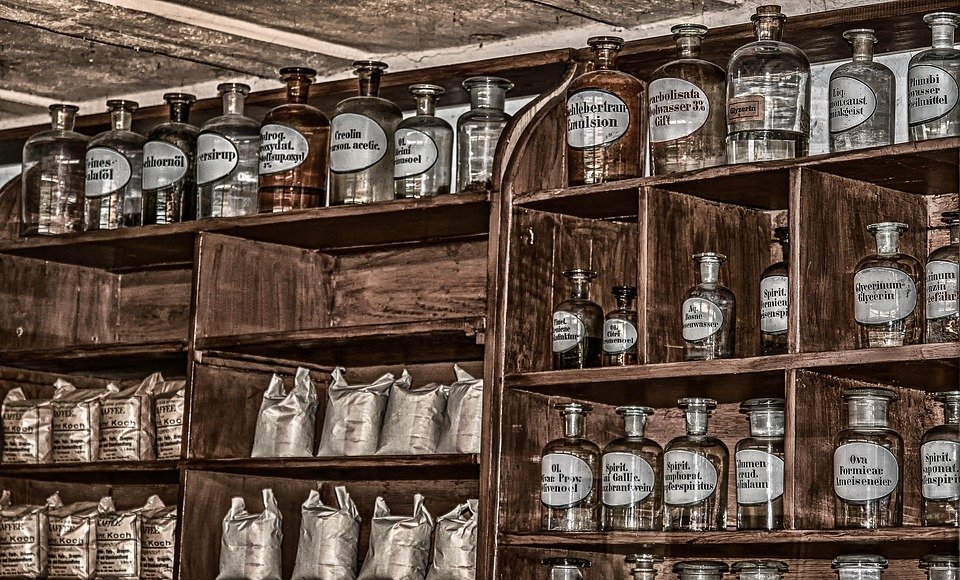
In today’s fast-paced world, achieving peak wellness often feels like an uphill battle. From stress and fatigue to digestive woes and immune challenges, modern life can take a toll. Fortunately, nature offers powerful allies in the form of herbal supplements. These plant-based remedies have been used for centuries across cultures, and modern science is catching up, validating their benefits through rigorous studies.
This article dives into the top 10 herbal supplements backed by scientific evidence. We’ll explore what each one is, its key benefits, and the research supporting its use. Remember, while these herbs show promise, consult a healthcare professional before starting any supplement, especially if you have medical conditions or take medications. Let’s unlock your path to better health.
1. Turmeric (Curcuma longa)
Turmeric, a vibrant yellow spice, owes its superpowers to curcumin, its active compound with potent anti-inflammatory and antioxidant properties. It’s widely used in Indian cuisine and traditional medicine.
Key Benefits: Reduces inflammation, eases arthritis pain, supports heart health, and may aid in managing depression.
Scientific Backing: A 2017 meta-analysis in the Journal of Medicinal Food found curcumin as effective as ibuprofen for knee osteoarthritis pain relief. Another study in Phytotherapy Research (2019) showed it lowers inflammation markers like CRP.
Sources: Daily JW et al. (2016). Efficacy of Turmeric Extracts…; Hewlings SJ & Kalman DS (2017). Curcumin: A Review…
2. Ashwagandha (Withania somnifera)
Known as an adaptogen, ashwagandha helps the body resist stressors. This ancient Ayurvedic herb is often called Indian ginseng.
Key Benefits: Lowers stress and cortisol levels, improves sleep, boosts energy, and enhances cognitive function.
Scientific Backing: A 2012 study in the Indian Journal of Psychological Medicine reported a 28% reduction in cortisol among stressed adults after 60 days. Research in Journal of Alternative and Complementary Medicine (2019) linked it to better sleep quality.
Sources: Chandrasekhar K et al. (2012). A prospective…; Langade D et al. (2019). Efficacy of ashwagandha…
3. Ginger (Zingiber officinale)
Ginger root has been a staple for nausea relief and digestion for millennia. Its bioactive compounds, like gingerol, drive its therapeutic effects.
Key Benefits: Alleviates nausea (e.g., from pregnancy or chemo), reduces muscle pain, and supports digestion.
Scientific Backing: A 2014 review in Nutrition Journal confirmed ginger’s efficacy for pregnancy-related nausea. A study in Pain Medicine (2010) showed it reduces exercise-induced muscle soreness by 25%.
Sources: Viljoen E et al. (2014). A systematic review…; Black CD et al. (2010). Ginger…
4. Echinacea (Echinacea purpurea)
This daisy-like flower is a go-to for immune support in Native American and European traditions.
Key Benefits: Shortens cold duration, boosts immune response, and may prevent respiratory infections.
Scientific Backing: A 2015 meta-analysis in Advances in Integrative Medicine found echinacea reduces cold risk by 58%. Cochrane reviews support its role in shortening upper respiratory infections.
Sources: Shah SA et al. (2007). Echinacea…; David S & Cunningham R (2019). Echinacea…
5. Ginkgo Biloba
Derived from the ancient ginkgo tree, this herb is prized for brain health due to its flavonoid and terpenoid content.
Key Benefits: Improves memory and cognition, enhances blood flow, and may alleviate anxiety.
Scientific Backing: A 2012 study in Human Psychopharmacology showed improved memory in older adults. Meta-analyses in Journal of Psychiatric Research (2010) indicate benefits for mild dementia.
Sources: Tan MS et al. (2015). Efficacy…; Birks J & Grimley Evans J (2009). Ginkgo biloba…
6. Garlic (Allium sativum)
More than a culinary essential, garlic’s allicin compound offers antimicrobial and cardiovascular perks.
Key Benefits: Lowers blood pressure, reduces cholesterol, and fights infections.
Scientific Backing: A 2016 meta-analysis in Journal of Nutrition found aged garlic extract lowers systolic BP by 5-8 mmHg. Studies in Phytomedicine (2013) confirm cholesterol reductions.
Sources: Ried K et al. (2016). Effect of garlic…; Ried K & Fakler P (2011). Potential of garlic…
7. Green Tea Extract (Camellia sinensis)
Rich in catechins like EGCG, green tea is a antioxidant powerhouse from East Asian traditions.
Key Benefits: Aids weight loss, supports heart health, and protects against oxidative stress.
Scientific Backing: A 2012 meta-analysis in Obesity Reviews showed modest weight loss effects. American Journal of Clinical Nutrition (2009) links it to reduced cardiovascular risk.
Sources: Hursel R et al. (2011). The effects of green tea…; Kuriyama S (2008). Green tea consumption…
8. Valerian Root (Valeriana officinalis)
This sedative herb has been used since Hippocrates’ time for sleep issues.
Key Benefits: Promotes better sleep, reduces anxiety, and eases menopausal symptoms.
Scientific Backing: A 2020 meta-analysis in Sleep Medicine Reviews found it improves sleep quality without morning grogginess. Studies in Phytotherapy Research (2015) support anxiety relief.
Sources: Bent S et al. (2006). Valerian for sleep…; Shinjyo N et al. (2020). Valerian root…
9. Milk Thistle (Silybum marianum)
Its silymarin protects the liver, making it a staple in herbal liver support.
Key Benefits: Supports liver detoxification, aids in liver disease management, and has antioxidant effects.
Scientific Backing: A 2017 review in World Journal of Hepatology showed benefits for liver cirrhosis. Phytomedicine (2007) meta-analysis confirmed efficacy in toxic liver damage.
Sources: Abenavoli L et al. (2010). Milk thistle…; Federico A et al. (2017). Silymarin/silybin…
10. St. John’s Wort (Hypericum perforatum)
This sunny flower treats mood disorders, backed by European herbal medicine.
Key Benefits: Relieves mild to moderate depression, supports seasonal affective disorder, and may ease PMS.
Scientific Backing: A 2008 Cochrane review found it as effective as SSRIs for mild depression with fewer side effects. BMJ (2005) studies support its antidepressant action.
Sources: Linde K et al. (2008). St John’s wort for major depression; Papakostas GI et al. (2007). St. John’s wort…
Conclusion: Embrace Nature’s Wisdom for Wellness
These 10 herbal supplements represent a bridge between ancient wisdom and cutting-edge science, offering natural ways to enhance your wellness. From reducing inflammation with turmeric to boosting mood with St. John’s Wort, incorporating them thoughtfully can elevate your health. Always prioritize quality sources, follow dosage guidelines, and pair with a balanced lifestyle for the best results. Here’s to unlocking your peak wellness—naturally!
Disclaimer: This article is for informational purposes only and not a substitute for professional medical advice.