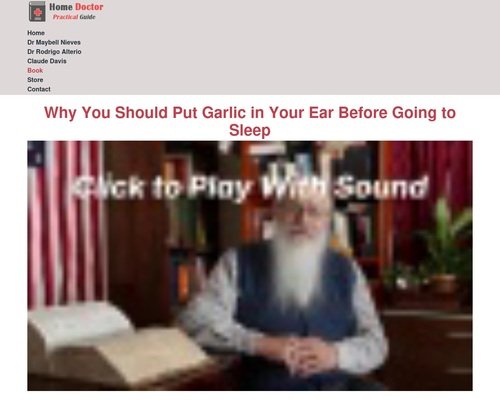
In the fast-paced world of digital content, grabbing your audience's attention in mere seconds is crucial. Enter question or teaser headlines—a powerful technique to ignite curiosity and forge a personal connection with readers. These headline styles don't just inform; they provoke thought, evoke emotion, and make the content feel tailor-made for the reader. In this …
Question or Teaser Headlines (Spark intrigue and personal relevance)

In the fast-paced world of digital content, grabbing your audience’s attention in mere seconds is crucial. Enter question or teaser headlines—a powerful technique to ignite curiosity and forge a personal connection with readers. These headline styles don’t just inform; they provoke thought, evoke emotion, and make the content feel tailor-made for the reader. In this article, we’ll explore what makes these headlines effective, how to craft them, and why they outperform bland, straightforward titles.
What Are Question or Teaser Headlines?
Question headlines pose a direct query that resonates with the reader’s experiences or desires, prompting them to seek answers within your content. Teaser headlines, on the other hand, hint at a revelation or story without giving everything away, building suspense like a movie trailer. Both types create an emotional hook, making the reader feel seen and compelled to click, read, or engage.
Unlike declarative headlines (e.g., “The Benefits of Exercise”), these styles turn passive scrolling into active participation. They leverage psychological principles like curiosity gaps and self-relevance, which studies from content marketing experts like BuzzSumo show can boost click-through rates by up to 20-30%.
Why They Work: The Psychology Behind the Spark
- Intrigue and Curiosity: Humans are wired to resolve uncertainties. A teaser like “The One Habit That Changed My Life Forever” creates a “curiosity gap,” urging readers to fill it.
- Personal Relevance: Questions like “Are You Making This Common Fitness Mistake?” speak directly to the reader, implying the content solves their problem.
- Emotional Engagement: These headlines tap into fears, aspirations, or surprises, increasing shareability and time on page, as evidenced by data from Headline Analyzer tools.
According to Nielsen Norman Group research, users decide to read an article in under 10 seconds—question and teaser headlines shorten that window by making the decision irresistible.
How to Craft Effective Question or Teaser Headlines
Creating these headlines requires a blend of empathy, brevity, and boldness. Here’s a step-by-step guide:
- Know Your Audience: Identify their pain points, goals, or curiosities. For a fitness blog, ask: What keeps them up at night? (E.g., “Tired of Yo-Yo Diets?”)
- Use Power Words: Incorporate evocative terms like “secret,” “shocking,” “ultimate,” or “why” to amplify intrigue.
- Keep It Concise: Aim for 6-10 words. Long headlines lose punch.
- Test for Relevance: Ensure the question or tease aligns with the content’s value—don’t overpromise and underdeliver, as this erodes trust.
- A/B Test: Tools like Google Optimize can help compare variations to see what resonates.
Real-World Examples That Convert
Question Headline Example:
“Struggling to Sleep? Discover the 5-Minute Trick That Works.”
Why it works: It addresses a universal frustration and promises a quick, personal solution, drawing in insomniacs scrolling late at night.
Teaser Headline Example:
“What I Wish I Knew Before Starting My Side Hustle (It Saved Me Thousands).”
Why it works: The teaser hints at insider wisdom and a tangible benefit, making aspiring entrepreneurs feel it’s relevant to their journey.
Iconic brands like Upworthy and The New York Times often use these formats. For instance, a teaser from a tech site: “The App That’s Quietly Revolutionizing Your Daily Routine”—it sparks wonder without spoiling the reveal.
Common Pitfalls and How to Avoid Them
While potent, these headlines can backfire if mishandled. Avoid clickbait by ensuring the content delivers on the promise—readers abandon sites with misleading titles, harming SEO and reputation. Also, steer clear of overly vague questions like “Want to Be Happy?” which feel generic. Instead, personalize: “Want to Be Happy Without Changing Your Routine?”
Balance intrigue with authenticity; the goal is to build long-term readers, not one-time clicks.
Conclusion: Ignite Your Content’s Potential
Question and teaser headlines are more than clever tricks—they’re gateways to meaningful engagement. By sparking intrigue and emphasizing personal relevance, they transform your content from overlooked to unmissable. Next time you draft a title, ask yourself: Does this make them need to know more? Experiment, refine, and watch your audience grow.