High blood pressure, or hypertension, affects millions worldwide and is a leading risk factor for heart disease, stroke, and other health issues. While medication can be necessary, many people seek natural ways to manage and lower blood pressure. This guide explores evidence-based natural strategies to promote wellness and support cardiovascular health. Remember, these tips are …
Unlock Lower Blood Pressure: The Ultimate Guide to Natural Wellness
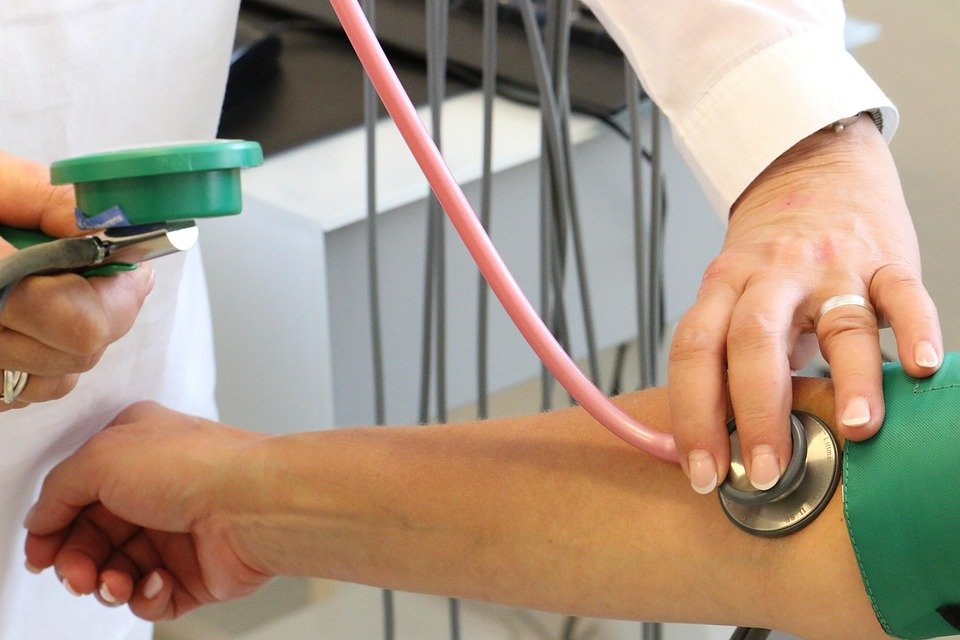
High blood pressure, or hypertension, affects millions worldwide and is a leading risk factor for heart disease, stroke, and other health issues. While medication can be necessary, many people seek natural ways to manage and lower blood pressure. This guide explores evidence-based natural strategies to promote wellness and support cardiovascular health. Remember, these tips are not a substitute for professional medical advice—consult your doctor before making changes, especially if you have underlying conditions.
Understanding Blood Pressure
Blood pressure measures the force of blood against artery walls. Normal levels are below 120/80 mmHg. Hypertension is typically 130/80 mmHg or higher. Lifestyle factors like diet, exercise, stress, and sleep play key roles. Natural approaches can help by reducing inflammation, improving circulation, and supporting heart function.
1. Adopt a Heart-Healthy Diet
Diet is foundational for blood pressure management. Focus on whole foods rich in nutrients that relax blood vessels and reduce sodium intake.
- DASH Diet: The Dietary Approaches to Stop Hypertension (DASH) emphasizes fruits, vegetables, whole grains, lean proteins, and low-fat dairy. Studies show it can lower systolic blood pressure by 5-11 mmHg.
- Potassium-Rich Foods: Bananas, spinach, sweet potatoes, and avocados help balance sodium levels. Aim for 4,700 mg daily.
- Reduce Sodium: Limit to under 2,300 mg per day (ideally 1,500 mg). Avoid processed foods and use herbs for flavoring.
- Nitrate Sources: Beets, leafy greens, and garlic promote nitric oxide production, which dilates blood vessels.
Tip: Start with small swaps, like replacing salt with lemon or spices, to make sustainable changes.
2. Incorporate Regular Exercise
Physical activity strengthens the heart, improves artery flexibility, and aids weight management—all key to lowering blood pressure.
- Aerobic Exercise: Brisk walking, cycling, or swimming for 150 minutes per week can reduce blood pressure by 5-8 mmHg.
- Strength Training: Twice-weekly sessions with weights or resistance bands build muscle and support metabolism.
- Yoga and Tai Chi: These mind-body practices lower stress and blood pressure; a meta-analysis found yoga reduces systolic pressure by 4-5 mmHg.
Begin slowly if you’re new to exercise, and aim for consistency over intensity.
3. Prioritize Stress Management
Chronic stress triggers hormones that constrict blood vessels. Natural techniques can calm the nervous system.
- Meditation and Mindfulness: Daily 10-15 minute sessions can lower blood pressure by 4-5 mmHg, per research from the American Heart Association.
- Deep Breathing: Practice 4-7-8 breathing (inhale 4 seconds, hold 7, exhale 8) to activate relaxation responses.
- Hobbies and Social Connections: Engage in enjoyable activities and nurture relationships to buffer stress.
Apps like Headspace or Calm can guide beginners.
4. Improve Sleep Quality
Poor sleep raises blood pressure. Aim for 7-9 hours nightly with these habits:
- Maintain a consistent sleep schedule.
- Create a dark, cool bedroom environment.
- Avoid screens and caffeine before bed.
Quality sleep can decrease blood pressure by up to 10 mmHg in those with sleep issues.
5. Natural Supplements and Herbs
Some supplements show promise, but evidence varies. Always check for interactions with medications.
- Magnesium: 300-400 mg daily from foods or supplements may relax blood vessels.
- Omega-3 Fatty Acids: From fish oil or flaxseeds, they reduce inflammation and can lower pressure by 2-4 mmHg.
- Hibiscus Tea: Drinking 2-3 cups daily mimics ACE inhibitor effects, reducing systolic pressure by 7 mmHg in studies.
- CoQ10: 100-200 mg may support heart health, especially for those on statins.
Disclaimer: Supplements are not regulated like drugs. Consult a healthcare provider to ensure safety and efficacy.
6. Lifestyle Tweaks for Lasting Change
Beyond the basics:
- Limit Alcohol: No more than one drink per day for women and two for men.
- Quit Smoking: It damages arteries; quitting can improve blood pressure within weeks.
- Monitor Weight: Losing 5-10% of body weight if overweight can drop pressure by 5-20 mmHg.
- Stay Hydrated: Adequate water supports circulation.
Conclusion: Your Path to Natural Wellness
Lowering blood pressure naturally is about holistic lifestyle shifts that enhance overall well-being. Combine diet, exercise, stress relief, and sleep for the best results. Track your progress with a home monitor and regular check-ups. With patience and consistency, you can unlock better health and vitality. If symptoms persist or worsen, seek medical attention promptly.
This guide is for informational purposes only. Individual results vary, and professional guidance is essential.