
Managing blood sugar levels can be a daily challenge for many people, especially those with diabetes, prediabetes, or insulin resistance. While medication and lifestyle changes are essential, incorporating natural foods rich in fiber, healthy fats, and low-glycemic compounds can help stabilize glucose levels. This article explores evidence-based natural foods that may support better blood sugar …
Struggling with Blood Sugar? These Natural Foods Could Be Your Solution
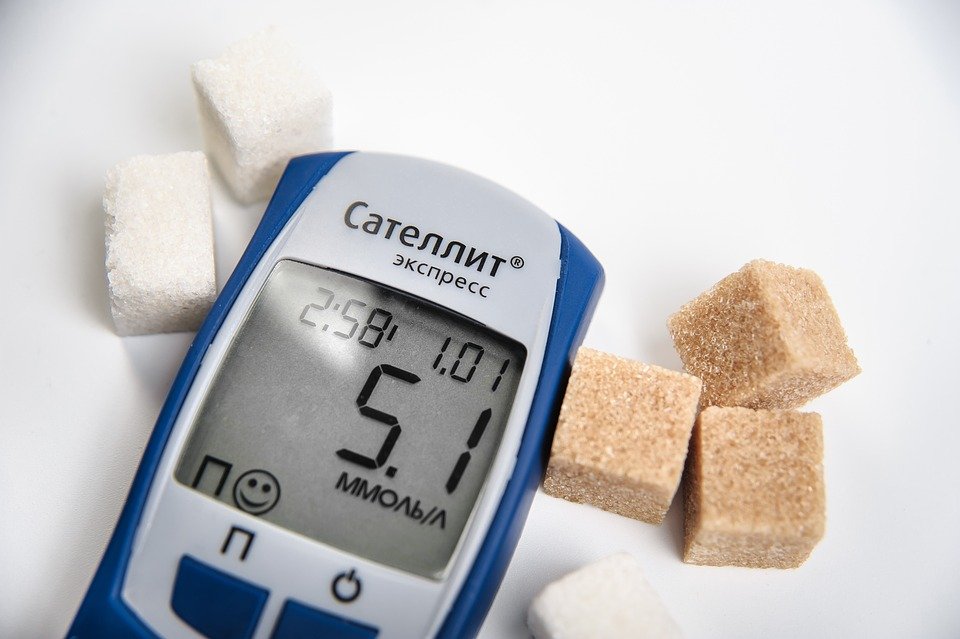
Managing blood sugar levels can be a daily challenge for many people, especially those with diabetes, prediabetes, or insulin resistance. While medication and lifestyle changes are essential, incorporating natural foods rich in fiber, healthy fats, and low-glycemic compounds can help stabilize glucose levels. This article explores evidence-based natural foods that may support better blood sugar control. Remember, these are not substitutes for medical advice—always consult your healthcare provider before making dietary changes.
Why Natural Foods Matter for Blood Sugar
Blood sugar fluctuations occur when the body struggles to process carbohydrates efficiently. Foods with a low glycemic index (GI) release sugar slowly into the bloodstream, preventing spikes. High-fiber options slow digestion, while antioxidants and healthy fats improve insulin sensitivity. Studies from sources like the American Diabetes Association highlight how diets rich in whole foods can reduce HbA1c levels and lower complication risks.
Top Natural Foods to Try
Here are seven powerhouse foods backed by research for their blood sugar benefits. Incorporate them gradually into your meals for sustainable results.
1. Leafy Greens (Spinach, Kale, and Swiss Chard)
Low in calories and carbs but packed with magnesium, leafy greens help regulate insulin function. A study in the Journal of Nutrition found that higher magnesium intake correlates with lower fasting blood sugar. Add them to salads, smoothies, or stir-fries—aim for 2-3 cups daily.
2. Berries (Blueberries, Strawberries, and Raspberries)
These antioxidant-rich fruits have a low GI and high fiber content, which slows sugar absorption. Research from the Journal of Nutrition shows blueberries improve insulin sensitivity in people with type 2 diabetes. Enjoy a handful as a snack or topping for yogurt.
3. Nuts and Seeds (Almonds, Chia Seeds, and Flaxseeds)
Rich in healthy fats, fiber, and protein, nuts like almonds can reduce post-meal blood sugar spikes. A meta-analysis in Diabetes Care supports their role in glycemic control. Sprinkle chia or flaxseeds on oatmeal or salads for an omega-3 boost.
4. Fatty Fish (Salmon, Mackerel, and Sardines)
Omega-3 fatty acids in fatty fish combat inflammation, a key factor in insulin resistance. The American Journal of Clinical Nutrition reports that regular fish consumption lowers diabetes risk. Grill or bake salmon twice a week for optimal benefits.
5. Legumes (Lentils, Chickpeas, and Black Beans)
High in soluble fiber, legumes form a gel in the gut that traps sugars, preventing rapid absorption. A review in Nutrients confirms their effectiveness in stabilizing blood glucose. Use them in soups, salads, or as meat substitutes.
6. Avocados
Loaded with monounsaturated fats and fiber, avocados enhance insulin response. Research from Nutrition Journal shows they can lower blood sugar in overweight individuals. Slice one onto toast or blend into smoothies for a creamy addition.
7. Cinnamon
This spice contains compounds that mimic insulin and improve glucose uptake. A study in Diabetes Care found that 1-6 grams daily can reduce fasting blood sugar by up to 29%. Sprinkle it on oatmeal, coffee, or yogurt—but don’t exceed recommended amounts to avoid liver concerns.
Tips for Incorporating These Foods
- Balance Your Plate: Pair high-carb foods with these options to blunt sugar spikes.
- Monitor Portions: Even healthy foods can affect blood sugar if overeaten.
- Stay Hydrated: Water aids in glucose transport; herbal teas with cinnamon add extra perks.
- Track Your Levels: Use a glucometer to see how these foods impact you personally.
Disclaimer: This information is for educational purposes only and is not intended as medical advice. Individual responses to foods vary, and those with diabetes should work with a registered dietitian or doctor to tailor a plan. If you experience symptoms like excessive thirst or fatigue, seek professional help immediately.
By focusing on these natural foods, you can take proactive steps toward better blood sugar management. Small, consistent changes often yield the biggest rewards—start today and monitor how your body responds.