
High blood pressure, or hypertension, affects millions worldwide and is a silent risk factor for heart disease, stroke, and kidney issues. The good news? You don't always need medication to manage it. Simple, everyday habits can make a significant difference in lowering your blood pressure naturally. Backed by research from organizations like the American Heart …
Can Everyday Habits Really Lower Your Blood Pressure? Yes—Here’s How
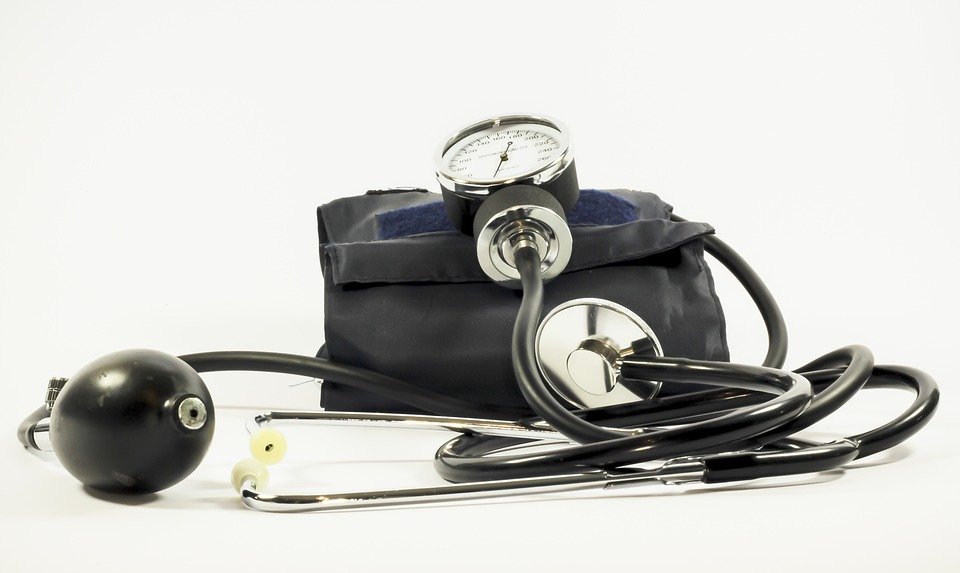
High blood pressure, or hypertension, affects millions worldwide and is a silent risk factor for heart disease, stroke, and kidney issues. The good news? You don’t always need medication to manage it. Simple, everyday habits can make a significant difference in lowering your blood pressure naturally. Backed by research from organizations like the American Heart Association (AHA) and studies in journals such as Hypertension, these changes can reduce systolic blood pressure by 5-10 mm Hg or more, often rivaling the effects of some drugs.
In this article, we’ll explore evidence-based habits you can adopt today. Remember, while these tips are powerful, consult your doctor before making major changes, especially if you have underlying conditions.
1. Adopt a Heart-Healthy Diet
Your plate plays a starring role in blood pressure control. The DASH (Dietary Approaches to Stop Hypertension) diet, endorsed by the National Institutes of Health, emphasizes fruits, vegetables, whole grains, lean proteins, and low-fat dairy while cutting back on sodium, saturated fats, and added sugars.
- Reduce sodium intake: Aim for less than 2,300 mg per day—ideally 1,500 mg for those with hypertension. A study in the New England Journal of Medicine found that lowering sodium by just 1,000 mg daily can drop blood pressure by 2-8 mm Hg.
- Load up on potassium-rich foods: Bananas, spinach, sweet potatoes, and beans help balance sodium levels. The AHA notes that potassium can lower blood pressure by 4-5 mm Hg.
- Incorporate omega-3s: Fatty fish like salmon or walnuts reduce inflammation and support vascular health, potentially lowering systolic pressure by 4 mm Hg, per a meta-analysis in American Journal of Hypertension.
Pro tip: Track your meals with an app to monitor sodium—small swaps like choosing herbs over salt can add up quickly.
2. Get Moving with Regular Exercise
Sedentary lifestyles contribute to hypertension, but consistent physical activity strengthens your heart and improves circulation. The CDC recommends at least 150 minutes of moderate aerobic exercise per week.
- Aerobic activities: Brisk walking, cycling, or swimming can lower blood pressure by 5-8 mm Hg. A Harvard study showed that 30 minutes most days yields measurable improvements within weeks.
- Strength training: Twice-weekly sessions with weights or resistance bands help, reducing pressure by 3-4 mm Hg, according to the AHA.
- Yoga or tai chi: These mind-body practices not only build flexibility but also reduce stress hormones, lowering blood pressure by up to 10 mm Hg in some trials published in Journal of Alternative and Complementary Medicine.
Start small: If you’re new to exercise, aim for 10-minute walks and build from there. Consistency beats intensity for long-term gains.
3. Prioritize Quality Sleep
Poor sleep disrupts hormones that regulate blood pressure. Adults need 7-9 hours per night, and skimping can raise systolic pressure by 3-5 mm Hg, as shown in research from the Sleep Research Society.
- Establish a routine: Go to bed and wake up at the same time daily to regulate your circadian rhythm.
- Create a sleep-friendly environment: Keep your room cool, dark, and quiet; avoid screens an hour before bed to boost melatonin production.
- Limit caffeine and alcohol: Both can interfere with deep sleep stages, exacerbating hypertension risks.
Evidence from the Journal of Clinical Sleep Medicine links consistent sleep hygiene to a 20% reduced risk of developing high blood pressure over time.
4. Manage Stress Effectively
Chronic stress triggers adrenaline surges that constrict blood vessels, spiking blood pressure. Techniques to unwind can counteract this, with studies showing reductions of 4-5 mm Hg.
- Practice mindfulness or meditation: Just 10 minutes daily can lower cortisol levels, per a review in Circulation: Cardiovascular Quality and Outcomes.
- Deep breathing exercises: Try the 4-7-8 technique (inhale for 4 seconds, hold for 7, exhale for 8) to activate the parasympathetic nervous system.
- Hobbies and social connections: Engaging in enjoyable activities or talking to friends releases endorphins, buffering stress.
Apps like Headspace make it easy to integrate these into your routine.
5. Limit Alcohol and Quit Smoking
Excessive drinking and tobacco use are direct contributors to hypertension. Moderation is key.
- Alcohol: Stick to one drink per day for women and two for men. The AHA reports that cutting back can lower blood pressure by 4 mm Hg.
- Smoking cessation: Quitting improves endothelial function within months, reducing pressure by 2-4 mm Hg, according to the World Health Organization.
Seek support from resources like smokefree.gov or counseling for lasting success.
Maintain a Healthy Weight
Even a 5-10% weight loss can drop blood pressure by 5-20 mm Hg, per NIH guidelines. Combine diet and exercise for sustainable results—focus on whole foods over fad diets.
Disclaimer: These habits are general recommendations based on established medical research. Individual results vary, and high blood pressure requires professional monitoring. Always consult a healthcare provider for personalized advice.
Conclusion: Small Steps, Big Impact
Yes, everyday habits can truly lower your blood pressure—and the evidence is compelling. By tweaking your diet, moving more, sleeping better, stressing less, and avoiding harmful substances, you empower your body to regulate itself. Start with one or two changes today, track your progress with a home monitor, and celebrate the wins. Your heart will thank you.
Sources: American Heart Association, NIH, CDC, and peer-reviewed studies cited inline.