
Managing blood sugar levels is crucial for overall health, especially for those with diabetes or prediabetes. While medication and lifestyle changes play key roles, incorporating natural foods can significantly help stabilize glucose levels. This guide explores the best natural foods backed by scientific evidence, explaining how they work and practical tips for including them in …
The Best Natural Foods for Managing Blood Sugar: A Complete Guide
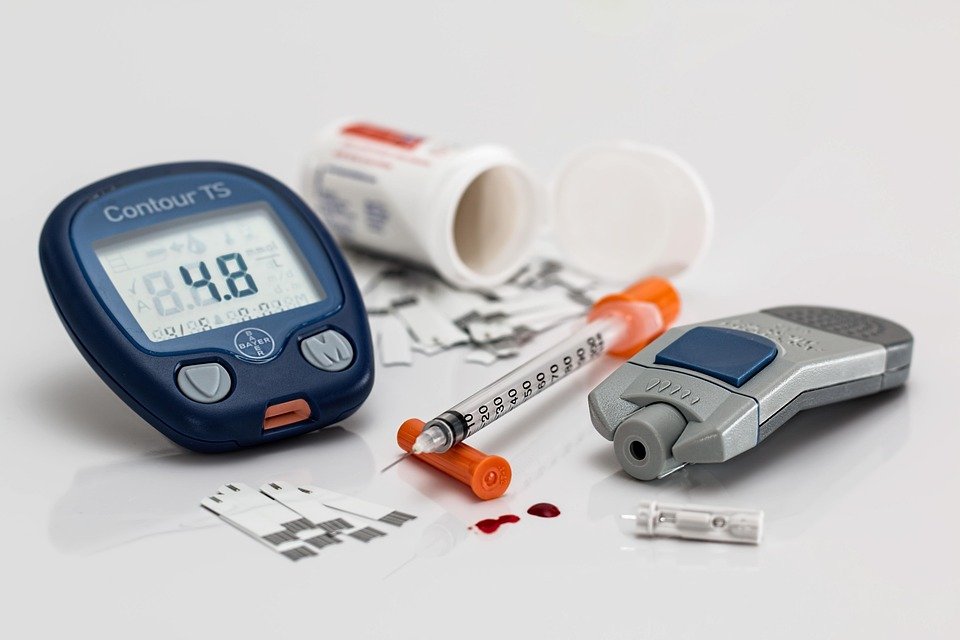
Managing blood sugar levels is crucial for overall health, especially for those with diabetes or prediabetes. While medication and lifestyle changes play key roles, incorporating natural foods can significantly help stabilize glucose levels. This guide explores the best natural foods backed by scientific evidence, explaining how they work and practical tips for including them in your diet. Remember, consult a healthcare professional before making dietary changes.
Understanding Blood Sugar Management
Blood sugar, or glucose, is the body’s primary energy source. Foods high in refined carbs and sugars cause spikes, while those with fiber, healthy fats, and proteins promote steady levels. The glycemic index (GI) measures how quickly foods raise blood sugar—aim for low-GI options (under 55). Natural foods rich in fiber slow digestion, preventing rapid glucose absorption.
Top Natural Foods for Blood Sugar Control
1. Leafy Greens (e.g., Spinach, Kale, Swiss Chard)
These nutrient-dense vegetables are low in calories and carbs but high in fiber and antioxidants. A study in the Journal of Nutrition (2018) found that higher intake of leafy greens improves insulin sensitivity.
Key Benefits: Magnesium content aids glucose metabolism; fiber slows sugar absorption. GI: ~15. How to Use: Add to salads, smoothies, or sauté as a side.
2. Berries (e.g., Blueberries, Strawberries, Raspberries)
Berries are packed with anthocyanins, antioxidants that reduce inflammation and improve insulin response. Research from the American Journal of Clinical Nutrition (2019) shows they lower post-meal blood sugar spikes.
Key Benefits: Low GI and high fiber content; polyphenols enhance glucose uptake. GI: 25–40. How to Use: Eat fresh, in yogurt, or as a snack.
3. Nuts and Seeds (e.g., Almonds, Chia Seeds, Flaxseeds)
Rich in healthy fats, protein, and fiber, nuts like almonds help with satiety and blood sugar stability. A meta-analysis in Diabetes Care (2020) linked nut consumption to reduced HbA1c levels.
Key Benefits: Omega-3s in seeds reduce insulin resistance. GI: ~0. How to Use: Sprinkle on oatmeal or eat a handful daily (unsalted, unprocessed).
4. Legumes (e.g., Lentils, Chickpeas, Black Beans)
These plant-based proteins are fiber powerhouses that lower the GI of meals. The European Journal of Clinical Nutrition (2017) reported legumes improve glycemic control in type 2 diabetes.
Key Benefits: Soluble fiber forms a gel in the gut, trapping sugars. GI: 20–40. How to Use: In soups, salads, or as hummus.
5. Fatty Fish (e.g., Salmon, Mackerel, Sardines)
Omega-3 fatty acids in fatty fish combat inflammation, a factor in insulin resistance. A study in The Lancet Diabetes & Endocrinology (2021) found omega-3s lower fasting blood sugar.
Key Benefits: Supports heart health alongside blood sugar management. GI: 0 (no carbs). How to Use: Grill or bake 2–3 times weekly.
6. Avocado
Avocados provide monounsaturated fats that enhance insulin sensitivity. Evidence from Nutrition Journal (2015) shows they reduce blood sugar and cholesterol.
Key Benefits: High in potassium for blood pressure control. GI: ~15. How to Use: On toast, in salads, or as guacamole.
7. Cinnamon
This spice contains cinnamaldehyde, which mimics insulin and boosts glucose transport. A review in Annals of Family Medicine (2013) confirmed its role in lowering fasting blood sugar.
Key Benefits: Antioxidant properties protect pancreatic cells. GI: 0. How to Use: Add to tea, oatmeal, or yogurt (1/2 tsp daily).
8. Whole Grains (e.g., Oats, Quinoa, Barley)
Unlike refined grains, whole grains have intact bran and fiber. The BMJ (2015) study associated whole grain intake with a 20% lower diabetes risk.
Key Benefits: Beta-glucan in oats slows carb digestion. GI: 40–55. How to Use: As porridge or grain bowls; choose steel-cut varieties.
Tips for Incorporating These Foods
- Balance Meals: Pair high-GI foods with these to lower overall impact (e.g., berries with yogurt).
- Portion Control: Even healthy foods can affect blood sugar if overeaten—monitor with a glucometer.
- Stay Hydrated: Water helps kidneys flush excess sugar; herbal teas count too.
- Avoid Processed Foods: Opt for whole, unprocessed versions to maximize benefits.
- Combine with Exercise: A 30-minute walk after meals enhances these foods’ effects.
Potential Risks and Considerations
While these foods are generally safe, those on blood thinners should watch vitamin K-rich greens, and nut allergies require caution. Natural doesn’t mean unlimited—track carbs and consult a dietitian for personalized plans. Evidence from sources like the American Diabetes Association supports these recommendations, but individual responses vary.
Conclusion
By focusing on these natural foods, you can naturally support blood sugar management and improve long-term health. Start small, experiment with recipes, and track how your body responds. Consistent choices lead to better control and vitality.
Disclaimer: This guide is for informational purposes only and not a substitute for medical advice.