Hypertension, or high blood pressure, affects millions worldwide and is a leading risk factor for heart disease and stroke. While medication is often necessary, incorporating natural remedies into your lifestyle can help manage blood pressure effectively at home. This article explores top evidence-based natural strategies, supported by scientific research. Always consult your healthcare provider before …
Beat Hypertension at Home: The Top Natural Remedies Backed by Science
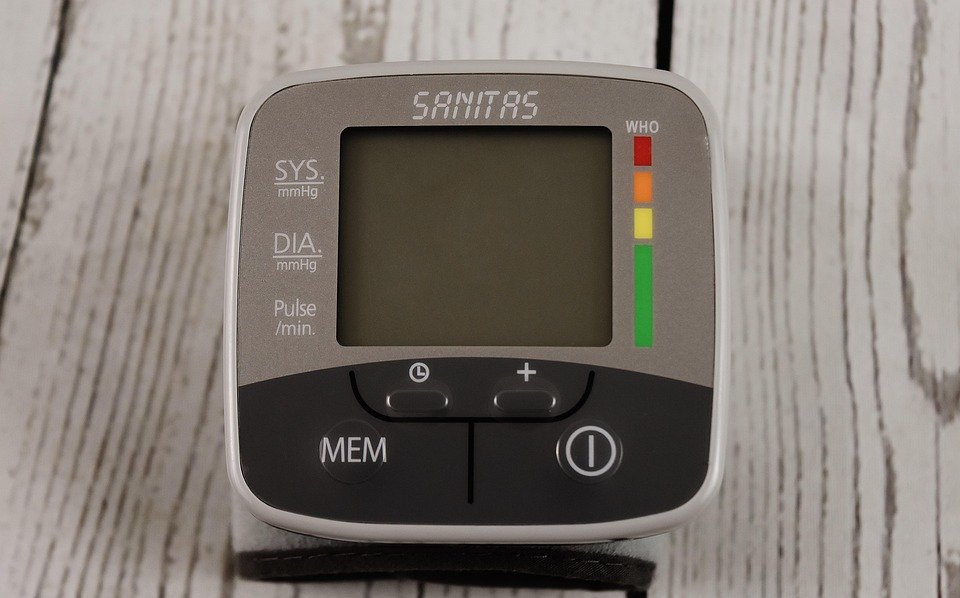
Hypertension, or high blood pressure, affects millions worldwide and is a leading risk factor for heart disease and stroke. While medication is often necessary, incorporating natural remedies into your lifestyle can help manage blood pressure effectively at home. This article explores top evidence-based natural strategies, supported by scientific research. Always consult your healthcare provider before making changes, especially if you’re on medication.
1. Adopt the DASH Diet
The Dietary Approaches to Stop Hypertension (DASH) diet emphasizes fruits, vegetables, whole grains, lean proteins, and low-fat dairy while reducing sodium, saturated fats, and added sugars. Studies show it can lower systolic blood pressure by 5-11 mmHg.
How to implement: Aim for 4-5 servings of fruits and vegetables daily, choose whole grains like oats and brown rice, and limit salt to under 2,300 mg per day (ideally 1,500 mg).
Evidence: A meta-analysis in the Journal of the American College of Cardiology (2016) confirmed DASH’s efficacy in reducing blood pressure in hypertensive individuals.
2. Increase Potassium-Rich Foods
Potassium helps balance sodium levels and relaxes blood vessel walls, easing blood flow. Research indicates that increasing potassium intake can reduce blood pressure by 4-5 mmHg.
Top sources:
- Bananas (422 mg per medium fruit)
- Spinach (558 mg per cup cooked)
- Sweet potatoes (542 mg per medium)
- Avocados (708 mg per fruit)
Incorporate these into meals, but if you have kidney issues, check with a doctor first.
Evidence: The American Heart Association highlights potassium’s role, backed by trials in Hypertension (2017) showing benefits for blood pressure control.
3. Engage in Regular Aerobic Exercise
Physical activity strengthens the heart and improves circulation. The American Heart Association recommends 150 minutes of moderate aerobic exercise weekly, which can lower blood pressure by 5-8 mmHg.
Home-friendly options: Brisk walking, cycling, swimming, or yoga. Start slow and build up to avoid strain.
Evidence: A review in Circulation (2018) analyzed over 50 studies, confirming exercise’s sustained blood pressure-lowering effects.
4. Practice Stress-Reduction Techniques
Chronic stress elevates blood pressure. Techniques like meditation and deep breathing activate the relaxation response, potentially reducing systolic pressure by 4-5 mmHg.
Easy home practices: Try 10 minutes of mindfulness meditation daily using apps like Headspace, or progressive muscle relaxation.
Evidence: A meta-analysis in Journal of Hypertension (2015) found mindfulness-based stress reduction significantly lowered blood pressure in hypertensive patients.
5. Incorporate Omega-3 Fatty Acids
Found in fatty fish and supplements, omega-3s reduce inflammation and improve vascular function. Studies suggest 2-3 grams daily can lower blood pressure by 2-4 mmHg.
Sources: Eat salmon twice a week or consider fish oil supplements (consult a doctor for dosage).
Evidence: Research in American Journal of Hypertension (2014) demonstrated omega-3s’ benefits, particularly for those with hypertension.
6. Limit Alcohol and Caffeine
Excess alcohol raises blood pressure; moderation (one drink/day for women, two for men) can help. Caffeine may cause temporary spikes, so monitor your response.
Tip: Switch to herbal teas like hibiscus, which a study in Journal of Nutrition (2010) showed can lower systolic pressure by 7 mmHg after regular consumption.
Evidence: The CDC and WHO guidelines support alcohol limits, with hibiscus backed by randomized trials.
Final Thoughts
These natural remedies, when combined with medical advice, can empower you to manage hypertension at home. Track your blood pressure regularly and make gradual changes for lasting results. Lifestyle modifications often yield benefits comparable to medication, promoting overall heart health.
Disclaimer: This information is for educational purposes and not a substitute for professional medical advice.