
High blood pressure, or hypertension, affects millions worldwide and is a leading risk factor for heart disease and stroke. While medications can be effective, many people seek natural alternatives to manage their blood pressure. The good news? Lifestyle changes backed by science can make a significant difference. In this article, we'll explore 10 proven natural …
10 Proven Natural Hacks to Slash High Blood Pressure Without Meds
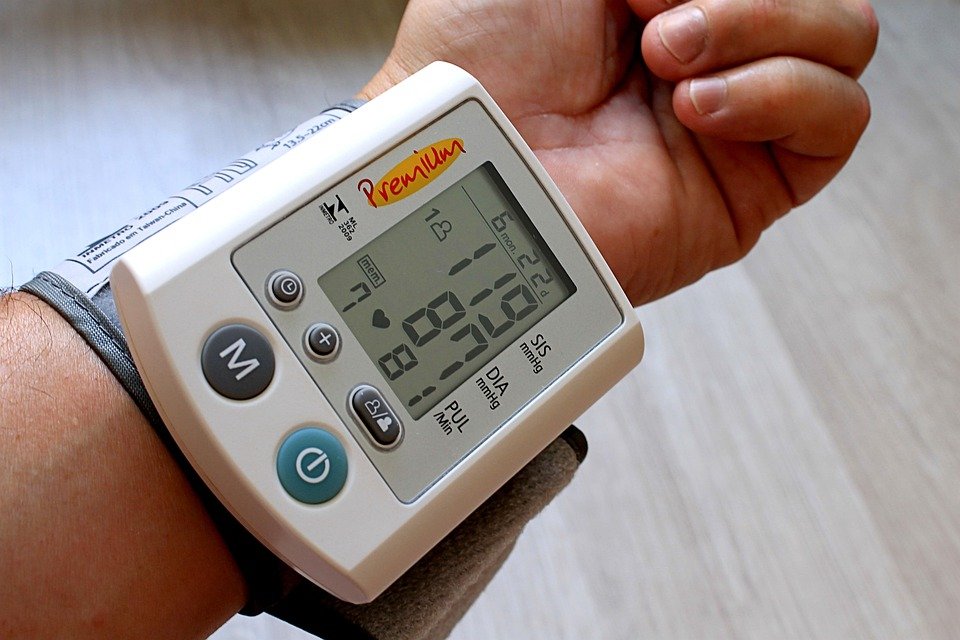
High blood pressure, or hypertension, affects millions worldwide and is a leading risk factor for heart disease and stroke. While medications can be effective, many people seek natural alternatives to manage their blood pressure. The good news? Lifestyle changes backed by science can make a significant difference. In this article, we’ll explore 10 proven natural hacks to help lower high blood pressure without relying on meds. Always consult your doctor before making changes, especially if you have underlying health conditions.
-
1. Embrace the DASH Diet
The Dietary Approaches to Stop Hypertension (DASH) diet emphasizes fruits, vegetables, whole grains, and low-fat dairy while reducing sodium. Studies, including those from the National Heart, Lung, and Blood Institute, show it can lower systolic blood pressure by up to 11 mm Hg. Focus on potassium-rich foods like bananas and spinach to balance sodium levels.
-
2. Cut Back on Salt
Excess sodium causes fluid retention, raising blood pressure. The American Heart Association recommends no more than 2,300 mg daily, ideally 1,500 mg for hypertensives. Swap processed foods for fresh ingredients and use herbs like basil or garlic for flavor. Research in the New England Journal of Medicine links salt reduction to a 5-6 mm Hg drop.
-
3. Get Moving with Regular Exercise
Aerobic activities like brisk walking, cycling, or swimming for 150 minutes a week can reduce blood pressure by 5-8 mm Hg, per the Mayo Clinic. Strength training twice weekly also helps. Start slow if you’re inactive—consistency is key to improving cardiovascular health.
-
4. Shed Excess Weight
Losing even 5-10% of body weight can lower blood pressure significantly. A Harvard study found that for every 10 pounds lost, systolic pressure drops about 5-20 mm Hg. Combine diet and exercise for sustainable results, targeting a BMI under 25.
-
5. Limit Alcohol Intake
Excessive drinking raises blood pressure; moderation is crucial. The CDC advises men to limit to two drinks per day and women to one. A meta-analysis in The Lancet showed that cutting alcohol can reduce systolic pressure by 3-4 mm Hg.
-
6. Quit Smoking
Smoking damages blood vessels and spikes blood pressure temporarily. Quitting leads to immediate benefits, with long-term reductions of up to 5 mm Hg, according to the American Lung Association. Seek support through counseling or nicotine replacement therapies.
-
7. Prioritize Quality Sleep
Poor sleep is linked to higher blood pressure. Aim for 7-9 hours nightly. A study in the Journal of Clinical Sleep Medicine found that treating sleep apnea reduced blood pressure by 10 mm Hg. Establish a routine: dim lights, avoid screens, and keep a consistent schedule.
-
8. Manage Stress Effectively
Chronic stress triggers hormones that elevate blood pressure. Techniques like meditation, yoga, or deep breathing can help. Research from the American Journal of Hypertension shows mindfulness meditation lowers systolic pressure by 4-5 mm Hg over time.
-
9. Boost Potassium and Magnesium
These minerals counteract sodium’s effects. Foods like avocados, nuts, and leafy greens are rich sources. The Journal of the American College of Cardiology reports that increasing potassium intake can drop blood pressure by 4-5 mm Hg in hypertensives.
-
10. Incorporate Natural Supplements Wisely
Options like garlic, hibiscus tea, or omega-3 fish oil have evidence of benefits. A review in Phytotherapy Research found hibiscus tea as effective as some meds for mild hypertension. However, supplements aren’t regulated like drugs—discuss with a healthcare provider to avoid interactions.
Implementing these natural hacks can empower you to take control of your blood pressure naturally. Remember, results vary, and combining multiple strategies often yields the best outcomes. Track your progress with a home monitor and consult professionals for personalized advice. Small, consistent changes today can lead to a healthier heart tomorrow.
Disclaimer: This article is for informational purposes only and not a substitute for medical advice.